
Setting a New Benchmark in Central Asia: Antaisolar's Tracking System Powers the 600MW Uzbekistan PV Project
August 28, 2026
1. Project Overview
Project Background
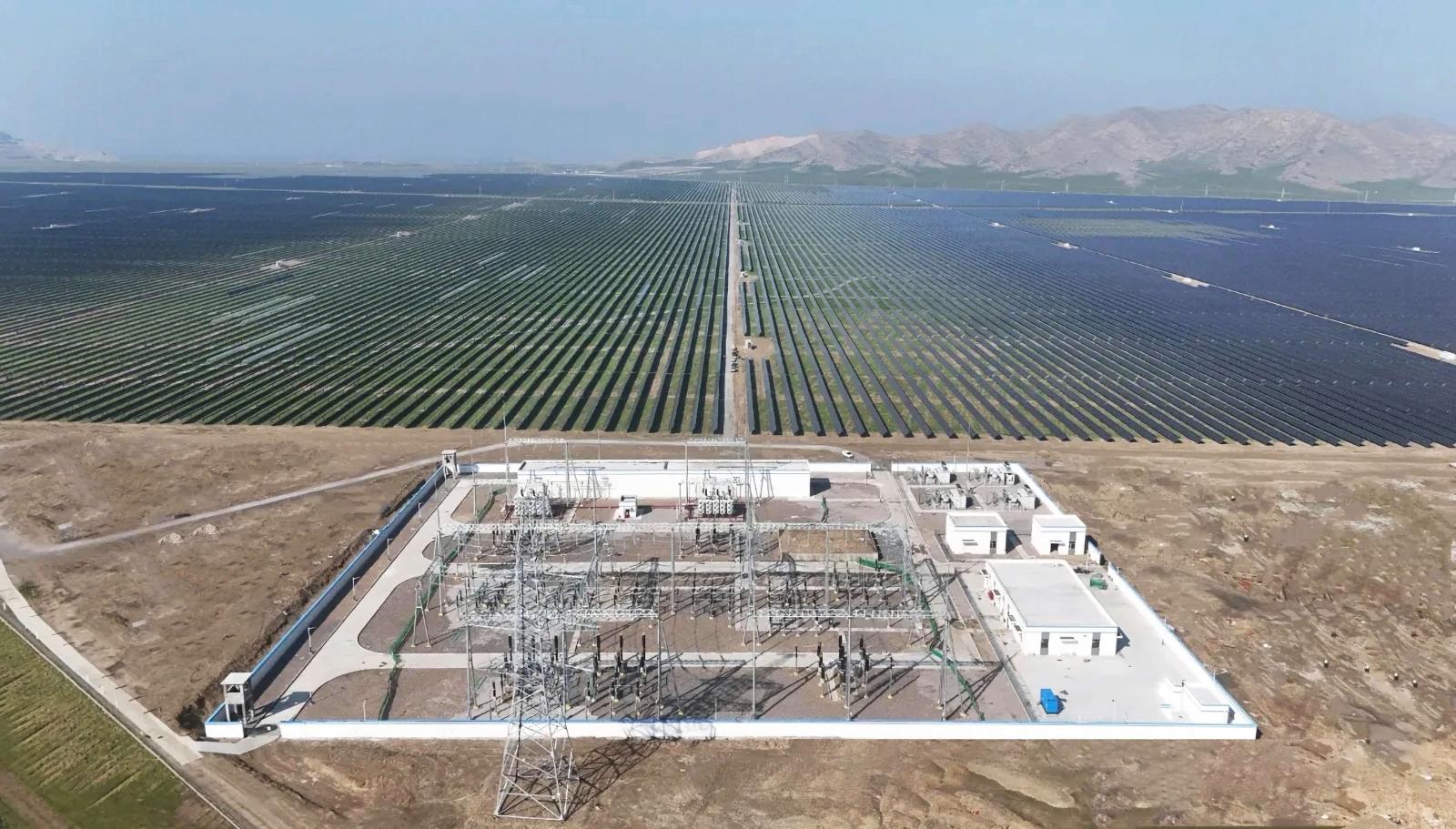
Located in the heart of Central Asia, Uzbekistan boasts exceptionally abundant solar resources, with annual sunshine hours ranging from 2,410 to 3,090, presenting immense potential for solar energy development. In recent years, the Uzbek government has actively promoted energy structure transformation, establishing clean energy as a crucial pillar of its national green transition. Against this backdrop, the 600MW Photovoltaic (PV) Power Project in Jizzakh Region was officially launched by a presidential decree. It is jointly invested in and constructed by a consortium comprising China Electrical Equipment Group International Power Co., Ltd. and China Huadian Overseas Co., Ltd., with a total investment of approximately RMB 2.08 billion.
In 2025, Antaisolar officially signed a cooperation agreement for the 600MW solar tracker project with China Electrical Equipment Group International Power Co., Ltd. As a globally leading expert in digitalized PV mounting structures and system solutions, Antaisolar brings extensive overseas project experience, with its products successfully deployed in extreme environments such as deserts, snowy terrains, and high-wind zones. This collaboration not only marks another large-scale PV tracking project for Antaisolar in the Central Asian market but also stands as a vivid practice of the "Belt and Road" Initiative, demonstrating strong regional recognition of its high-performance solar tracking technology.
Project Requirements
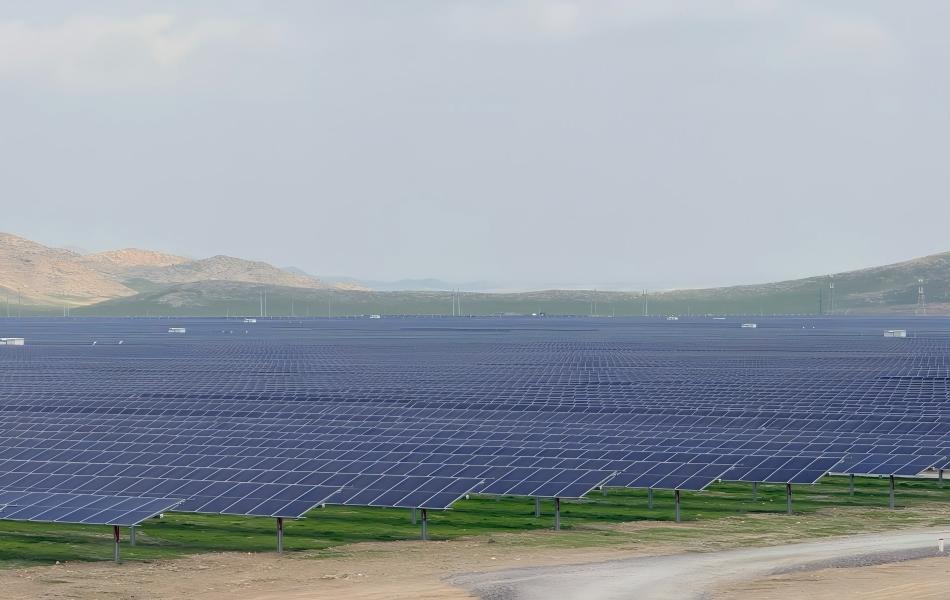
The project is situated in Forish District, Jizzakh Region, Uzbekistan, with the site center located approximately 200 kilometers in a straight line from the capital, Tashkent. The local climate is harsh, presenting extreme environmental challenges including frequent wind and sandstorms, significant diurnal temperature variations, and strong winds. The core requirement for this project is a high-performance solar tracking system capable of long-term stable operation in the extreme desert environment of Central Asia, featuring superior wind resistance and topographical adaptability. This system will provide reliable technical support for one of the largest standalone PV projects in Uzbekistan.
2. Project Challenges
Challenges Posed by Extreme Climate on Equipment Reliability
- Frequent Wind and Sand Activity: The region experiences frequent wind and sand activity, particularly prevalent spring sandstorms, posing continuous abrasive risks to the mechanical transmission components of the solar tracking system.
- Extreme Temperature Variations: Operating temperatures range from -21.9℃ to +42.2℃, with diurnal temperature differences exceeding 30℃. This imposes stringent requirements on material weather resistance and adaptability to thermal expansion and contraction.
- Frequent Strong Gusts: The tracking system must activate a high-wind protection mode at a wind speed of 16 m/s to ensure reliable locking of the mounts under high-wind conditions.
Challenges Posed by Complex Geological Conditions on Foundation and Anti-corrosion Design
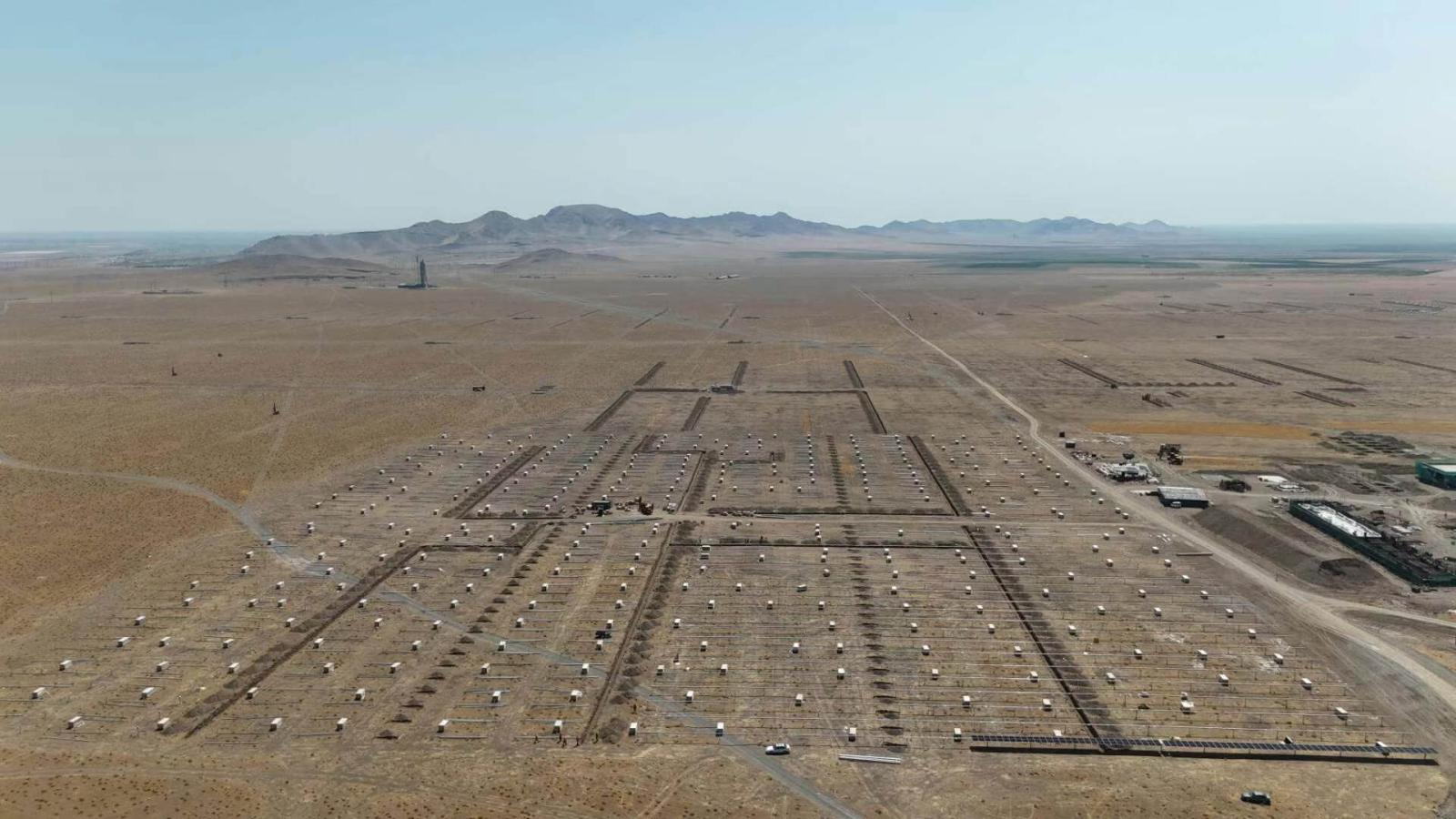
- Uneven Soil Compaction: The site's geological structure mainly consists of crushed stone and pebbles, interspersed with significant amounts of sandy clay, resulting in uneven compaction. Adopting conventional cast-in-place concrete piles would lead to prolonged curing cycles, and the low winter temperatures further severely constrain construction progress.
- High Soil Corrosivity: In certain areas, the soil corrosivity grade can reach high levels. Buried cables and metal components face the risk of corrosion penetration throughout the project's lifecycle, requiring reliable anti-corrosion capabilities for the pile foundations and all buried components.
Construction and Delivery Challenges for Super-large-scale Projects
- Complex Supply Chain Coordination: With a total installed capacity of 600MW, the massive volume and variety of materials place extremely high demands on the organizational coordination of the entire chain, including cross-border logistics scheduling and on-site construction management.
- Long-distance Transportation Risks: Located in a remote area with long transportation distances, long-sized components such as main shafts and columns must undergo specialized end-cap protection and reinforced packaging during land transit to prevent component sliding caused by transit vibrations.
- Massive On-site Commissioning Workload: The on-site commissioning workload for large-scale tracking systems is enormous. Traditional wired communication solutions require extensive cabling, resulting in long construction cycles and high costs, which could severely impact the grid-connection schedule.
Durability Requirements for a 25-year Lifecycle
- Long-term Structural Safety: Exposed to harsh outdoor conditions such as wind and sand, intense solar radiation, and temperature fluctuations, the mounts must guarantee structural safety and reliability throughout the 25-year service life.
- Low-temperature Battery Performance: The self-powered battery system of the tracking mounts must be capable of operating in low-temperature environments ranging from -30℃ to 60℃, ensuring reliable power supply during nighttime and emergency conditions.
3. Solutions
Addressing Extreme Climate: Enhanced Wind Resistance and Environmental Adaptability
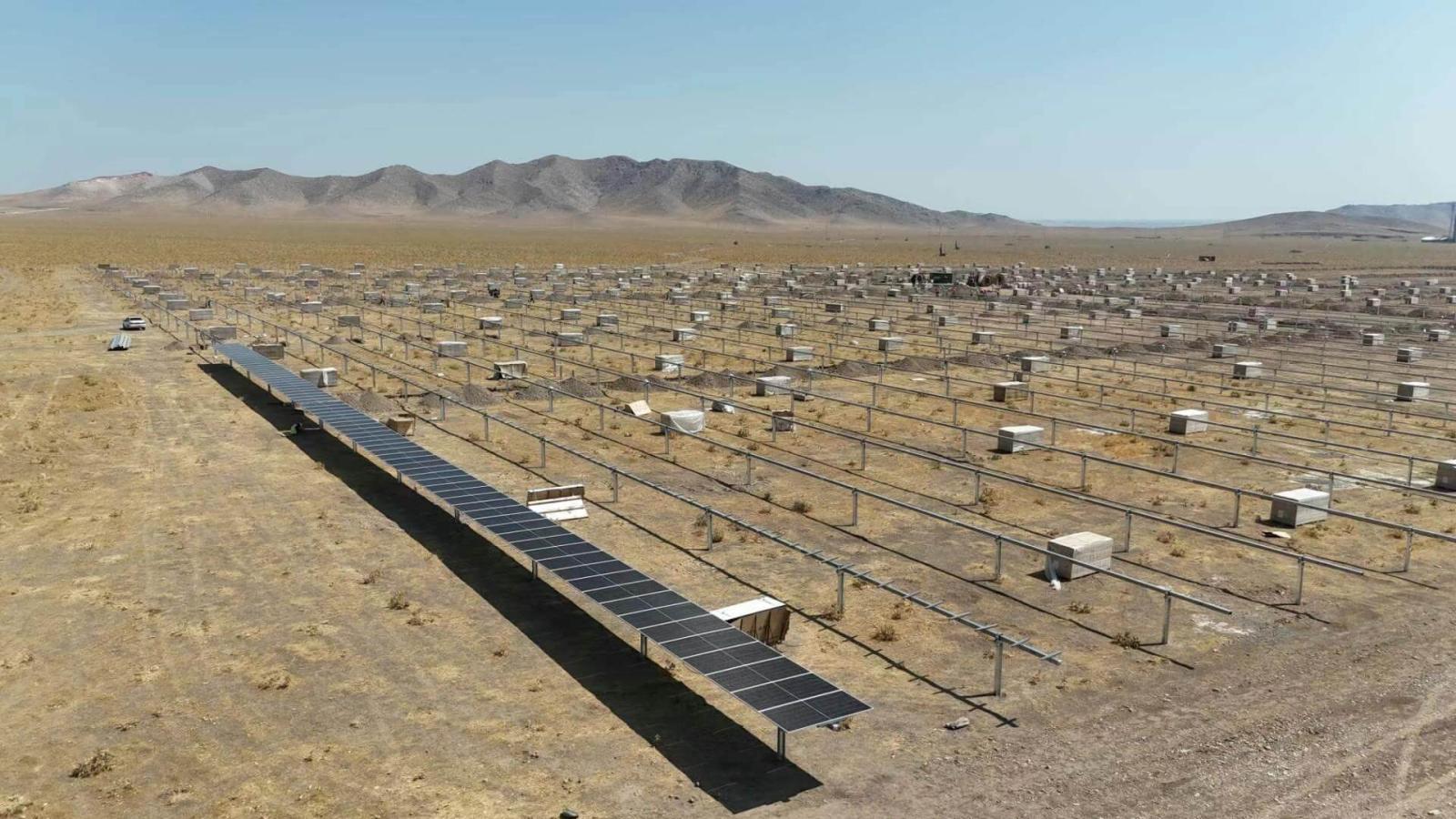
- Robust Drive System: Utilizing a single slew-drive design equipped with premium shock-absorbing devices, the system undergoes rigorous wind load verification tailored to local strong gusts and sandstorm conditions. This significantly enhances the system's resistance to overturning and torsion, ensuring operational stability.
- Intelligent Protection Modes: The system features four built-in intelligent protection modes to cope with extreme weather such as high winds, sandstorms, snow accumulation, and hail. When wind speeds reach 16 m/s, the controller detects wind speed and direction, automatically rotating the modules to the windward side to minimize the impact of wind and sand on the structural framework.
- Reliable Power Supply: The tracking system draws power from string inverters and is equipped with low-temperature-resistant batteries (operating from -30℃ to 60℃) and lithium battery backups, ensuring stable operation even under extreme low-temperature conditions.
Addressing Complex Geology: Premium Materials and Reliable Foundation Design
- Efficient Pile Foundation: The project adopts an on-site H-beam piling solution, eliminating the need for concrete pouring and curing. This allows for rapid construction, making it particularly suitable for Gobi sandy soil and winter low-temperature operations. H-beam piles possess strong bending and horizontal torque resistance, effectively withstanding the horizontal thrust generated by the reciprocating rotation of the tracking system.
- High-strength & Anti-corrosion Structure: The main framework and core components, such as the rotation shaft and transmission shaft, are made of high-strength steel (Q355B grade or above). All steel components undergo hot-dip galvanization to meet the 25-year rust-prevention requirement and comply with international ISO anti-corrosion standards.
- Strict Quality Control: All standard fasteners, including screws and bolts, are high-strength grade 8.8 or above and are also hot-dip galvanized to eliminate safety hazards caused by minor part corrosion. Manufacturing and installation tolerances of the overall structure are strictly controlled within the limits permitted by American and IEC standards.
Addressing Large-scale Delivery and Commissioning: Full-process Assurance and Transport Protection
- Pre-tested & Reinforced Controllers: All core control equipment undergoes comprehensive functional testing and quality inspection before leaving the factory. Specialized shock-resistant and moisture-proof reinforcement is applied for long-distance cross-border transit, ensuring the equipment is ready for immediate installation upon arrival.
- Specialized Transport Packaging: Prior to long-distance land transportation, long-sized components such as main shafts and columns receive specialized end-cap wrapping and shock-absorbing fixation. This prevents sliding, collisions, or deformation caused by transit vibrations, with strict quality control maintained from material verification to packaging protection.
- End-to-end Logistics System: Leveraging extensive experience in large-scale overseas projects, a comprehensive end-to-end assurance system has been established—from factory dispatch and cross-border logistics to on-site receiving and installation—ensuring that materials are delivered to each installation point on time and in perfect condition.
Addressing Power Generation Efficiency and Terrain: Smart Tracking and Flexible Layout
- Smart Tracking System: Equipped with an intelligent tracking control system, it achieves a wide tracking angle range of -60° to +60°. By comprehensively considering direct, diffuse, and reflected irradiance, as well as terrain variations, the system optimizes the tracking angle. This effectively reduces shading losses in complex terrains, boosting power generation by 10% to 25% compared to traditional fixed-tilt systems.
- High Terrain Adaptability: The tracking system demonstrates strong adaptability to irregular land plots. It allows for flexible layout adjustments based on actual topography, thereby maximizing land utilization and overall installed capacity.
4. Project Outcomes
Highly Efficient Construction
Significant Power Generation and Environmental Benefits
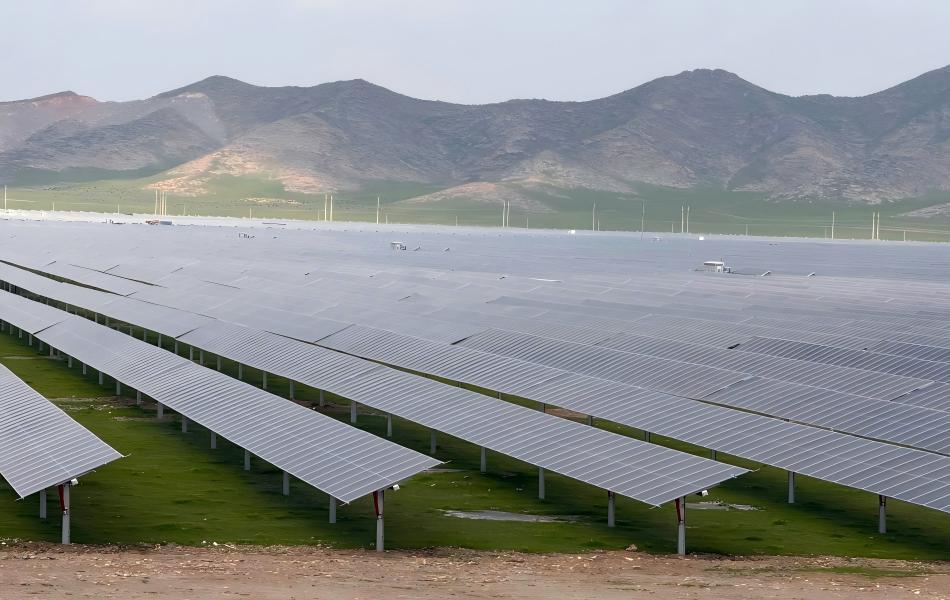
The power plant generates an average of 1.1 billion kWh annually, meeting the electricity needs of approximately 400,000 households. Each year, it saves 328,400 tons of standard coal and reduces carbon dioxide emissions by 893,800 tons. During the construction phase, the project created over 900 local jobs, making a positive contribution to ensuring Uzbekistan's energy supply and promoting local economic and social development.
Setting a Benchmark for "Belt and Road" New Energy Cooperation
As the largest PV project invested in and constructed by China Huadian overseas to date, this project is a vivid practice of the "Belt and Road" Initiative. It set a new benchmark by achieving "construction and operation within the same year" for overseas PV projects, showcasing the remarkable project execution efficientcy. This project provides valuable experience and reference for the development and construction of similar energy projects in the Central Asian region. Furthermore, this collaboration signifies strong regional recognition of Antaisolar's high-performance solar tracking technology, laying a solid foundation for further market penetration in Central Asia, and offering a successful model for Chinese PV mounting structure standards and services to go global.
Learn more about Antaisolar: antaisolar.com
Contact us: [email protected]
Previous
Powering Nusantara: Antaisolar Delivers Custom Mounting for Indonesia’s First Mountain Solar-Plus-Storage Project
Next
16MW Saltern Ground-mounted System | Fujian, China